
Understanding Anxiety: Causes, Symptoms, Types, and Management Strategies
FEATUREDHEALTH
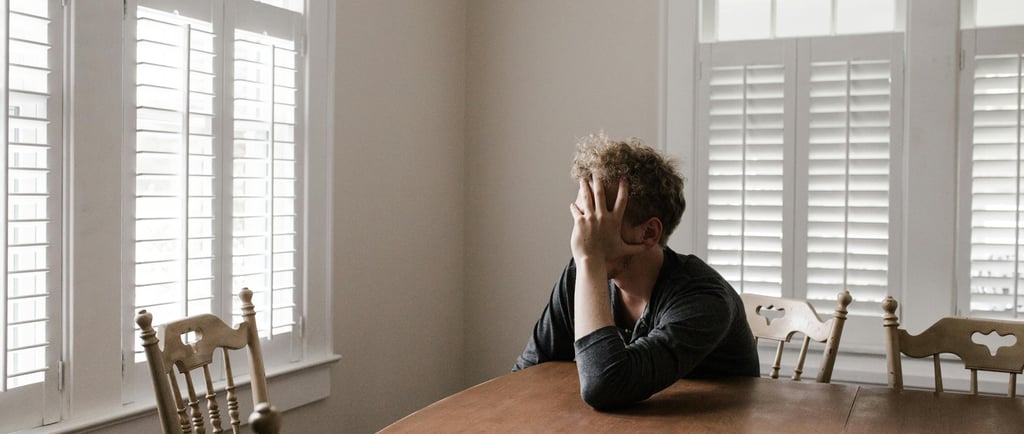

Anxiety is a common human experience that everyone encounters at some point in their lives. However, when anxiety becomes persistent, intense, and begins interfering with daily functioning, it may indicate an anxiety disorder. This comprehensive guide explores what anxiety is, its various forms, symptoms, causes, and evidence-based strategies to manage it effectively.
What Is Anxiety?
Anxiety is your body's natural response to stress—a feeling of fear or apprehension about what's to come. In normal amounts, anxiety can be helpful, alerting you to potential dangers and preparing you to respond. However, anxiety disorders occur when these feelings become excessive, persistent, and difficult to control, affecting your ability to work, study, socialize, or simply enjoy life.
Prevalence and Global Impact
The scope of anxiety disorders worldwide is substantial. Approximately 4.4% of the global population currently experiences an anxiety disorder, with an estimated 359 million people diagnosed in 2021, making anxiety disorders the most common of all mental disorders globally. In the United States, the statistics are equally significant: an estimated 19.1% of U.S. adults had any anxiety disorder in the past year, with women affected at nearly double the rate of men at 23.4% compared to 14.3% for males.
Among adolescents, the situation is even more pronounced, with approximately 31.9% experiencing any anxiety disorder. Despite the prevalence and availability of effective treatments, only about 1 in 4 people in need (27.6%) receive any treatment, highlighting a significant gap in mental health care access.
Types of Anxiety Disorders
Anxiety manifests in several distinct forms, each with unique characteristics and triggers:
Generalized Anxiety Disorder (GAD)
Generalized anxiety disorder is characterized by excessive, persistent worry about various aspects of life lasting for months at a time. People with GAD experience severe, ongoing anxiety that affects most parts of their daily existence, creating constant feelings of nervousness and dread even when there's little concrete reason for concern. GAD affects 6.8 million adults (3.1%) of the U.S. population, yet only 43.2% are receiving treatment. Women are twice as likely as men to be affected by this condition.
Social Anxiety Disorder (Social Phobia)
Social anxiety involves extreme fear or anxiety triggered by social situations, such as parties, workplaces, or everyday interactions with others. People with social anxiety may fear being judged, criticized, or embarrassed, leading them to avoid social gatherings altogether. They might experience panic attacks during social interactions, excessive self-consciousness, blushing, sweating, and difficulty speaking in front of others.
Panic Disorder
Panic disorder involves experiencing frequent, unexpected panic attacks—intense episodes of severe anxiety with acute physical symptoms. These panic attacks can occur multiple times daily, causing individuals to develop an intense fear of having another panic attack, which paradoxically can trigger future episodes. Symptoms during panic attacks can include chest pain, difficulty breathing, dizziness, and feelings of impending doom that may be mistaken for heart attacks.
Obsessive-Compulsive Disorder (OCD)
OCD affects 2.5 million adults or 1.2% of the U.S. population, with women being 3x more likely to be affected than men. This disorder involves ongoing unwanted or intrusive thoughts causing anxiety, along with rituals or repetitive behaviors performed to reduce anxiety. For example, a fear of germs may lead to constant washing behaviors.
Post-Traumatic Stress Disorder (PTSD)
PTSD develops following exposure to a traumatic event and involves anxiety symptoms related to that experience. This condition can severely impact functioning and quality of life.
Specific Phobias
Intense, irrational fears of particular objects or situations—such as heights, flying, or animals—characterize specific phobias. The fear is disproportionate to actual danger and often leads to avoidance behaviors.
Common Symptoms of Anxiety
Anxiety manifests through both psychological and physical symptoms that can vary significantly among individuals. Understanding these signs is crucial for early recognition and treatment.
Physical Symptoms
When experiencing anxiety, your body goes into a heightened state of alert, producing observable physical symptoms:
Increased heart rate and heart palpitations
Rapid breathing (hyperventilation)
Sweating and trembling
Muscle tension and restlessness
Nausea or abdominal distress
Difficulty sleeping and exhaustion
Weakness and fatigue
Psychological Symptoms
The mental and emotional aspects of anxiety include:who+1
Feeling nervous, restless, or tense
Sense of impending danger, panic, or doom
Difficulty concentrating or making decisions
Irritability
Uncontrollable worry
Urge to avoid anxiety-triggering situations
What Causes Anxiety?
Anxiety disorders typically result from a combination of genetic, biological, and environmental factors working together.
Genetic and Biological Factors
A strong hereditary component influences anxiety vulnerability. If you have blood relatives with anxiety disorders, your risk increases significantly. Brain structure and neurotransmitter function also play crucial roles, with research showing that people with anxiety experience heightened activity in the amygdala and prefrontal cortex—brain regions responsible for threat detection and response. Additionally, elevated inflammation markers have been linked to GAD, suggesting a physiological basis for chronic anxiety.
Life Events and Stress
Significant life stressors trigger or exacerbate anxiety. These can include:
Death in the family
Work-related stress
Financial concerns
Relationship problems
Major life transitions
Accumulated smaller stressful situations over time
Personality Traits
Certain personality characteristics increase anxiety vulnerability, including shyness, nervousness, and a tendency toward perfectionism. People with certain personality types are simply more prone to anxiety disorders than others.
Medical and Substance-Related Factors
Various medical conditions and substances can trigger or worsen anxiety:
Heart disease
Diabetes
Thyroid problems (particularly hyperthyroidism)
Respiratory disorders (COPD, asthma)
Drug misuse or withdrawal from alcohol, benzodiazepines, or other medications
Caffeine and certain stimulants
Chronic pain conditions
Mental Health Comorbidity
People with depression or other mental health disorders often also experience anxiety, creating complex presentations requiring comprehensive treatment approaches.
How Anxiety Affects Daily Life and Relationships
The impact of anxiety extends far beyond momentary discomfort, often creating substantial barriers to functioning and connection.
Work and Academic Performance
Anxiety at work interferes with decision-making, creating excessive doubt and hesitation that diminishes productivity. Concentration difficulties make completing tasks feel overwhelming, while the burden of worry transforms simple responsibilities into significant challenges. Students with anxiety struggle similarly, with impaired academic performance and reduced engagement.
Social Interactions and Relationships
Anxiety disrupts the ease of social connection. People with anxiety often struggle with communication, potentially misinterpreting partners' words or avoiding important conversations altogether. This can create misunderstandings that escalate into arguments. Additionally, anxiety can drive overly dependent or avoidant relationship patterns—individuals may seek constant reassurance and closeness or withdraw emotionally, leaving partners feeling confused or rejected.
In romantic relationships specifically, people with social anxiety disorder were found to receive less support from partners, and increased anxiety severity combined with decreased support increased the likelihood of relationship dissolution. The fear of rejection, jealousy, and trust issues fueled by anxiety can poison intimacy and create emotional distance.
Physical Health Complications
Anxiety doesn't just affect mental wellbeing—it has tangible physical health consequences. Anxiety increases the risk for:
Heart disease
Depression
Substance use disorders
Chronic inflammation and inflammatory conditions like arthritis
Chronic pain disorders
Suicidal thoughts and behaviors
Effective Anxiety Management and Treatment Strategies
Recovery from anxiety is absolutely possible with appropriate treatment and management strategies. Mental health professionals typically recommend a combination approach tailored to individual needs.
Professional Treatments
Cognitive Behavioral Therapy (CBT) is considered the gold standard treatment for anxiety. This evidence-based approach focuses on identifying and challenging negative thought patterns that trigger or maintain anxiety. By recognizing that beliefs trigger thoughts, which create feelings and produce behaviors, CBT helps individuals restructure unhelpful thinking. Mental health professionals often prefer CBT over other approaches, and research shows psychological therapies like CBT are much more effective than medications alone in managing anxiety long-term.
Mindfulness-Based Cognitive Therapy (MBCT) combines meditation and mindfulness strategies with CBT techniques to help individuals mindfully tolerate thoughts and feelings without judgment, leading to greater calm and contentment.
Exposure Therapy involves gradually exposing yourself to feared situations in a controlled manner, working through increasingly challenging scenarios to reduce anxiety response.
Medications, such as antidepressants and anti-anxiety medications, can help balance brain chemistry and reduce severe anxiety symptoms. However, these should typically be viewed as short-term measures while psychological therapies take effect.
Self-Care and Lifestyle Modifications
Evidence-based self-care strategies significantly reduce anxiety:
Physical Activity: Regular exercise is one of the most powerful stress reducers. Developing a routine with physical activity most days of the week improves mood, boosts energy, and provides an outlet for stress
Sleep Hygiene: Getting adequate sleep provides energy to cope with difficult feelings and experiences. Poor sleep exacerbates anxiety, creating a problematic cycle.
Dietary Adjustments: Eating regularly to maintain stable blood sugar levels and avoiding excessive caffeine can substantially impact anxiety levels. Reducing stimulants that worsen symptoms is particularly important.
Deep Breathing Techniques: Diaphragmatic breathing, alternate nostril breathing, and box breathing activate your parasympathetic nervous system, counteracting the anxiety response. Deep breathing focuses awareness on your breath, slowing your heart rate and promoting calm.
Meditation and Mindfulness: Practicing meditation, even for short periods, boosts mood and decreases stress and anxiety symptoms. Apps and online resources make these practices accessible to everyone.
Journaling: Keeping track of your personal life, triggers, and what helps you feel better provides valuable insights into patterns and can identify early warning signs.
Relaxation Techniques: Yoga, aromatherapy, massage, reflexology, and other relaxation practices can help manage anxiety. Many people find specific techniques particularly helpful—hypnotherapy, for example, provides benefits for some individuals.
Stress Management: Identifying triggers and developing specific strategies to handle them prepares you for anxiety-provoking situations. Structured problem-solving and learning assertiveness can reduce stress buildup.
Social Connection: Spending time with loved ones, building strong social networks, and receiving support group participation provides essential emotional support. Support groups allow people with anxiety to connect with others who understand their experience.
Setting Boundaries: Creating healthy boundaries with work, technology, and relationships reduces chronic stress and prevents overwhelm.
When to Seek Professional Help
While self-care strategies provide substantial benefit, professional support becomes necessary when:
Anxiety persists despite self-help efforts
Anxiety interferes with daily functioning
Symptoms intensify over time without treatment
You experience panic attacks
Anxiety affects relationships and work performance
Early intervention is crucial—anxiety is easier to treat when you seek help before symptoms worsen.
Conclusion
Anxiety is a prevalent and treatable condition affecting millions of people worldwide. While the symptoms can feel overwhelming and the impact on your life significant, effective treatments combining professional therapy, medications when needed, and evidence-based self-care strategies can substantially improve symptoms and quality of life. Whether you experience occasional anxiety or have been diagnosed with an anxiety disorder, remember that recovery is possible. The key lies in recognizing symptoms early, seeking appropriate professional support, and implementing consistent self-care practices. By taking action today, you're investing in a future with greater peace, confidence, and wellbeing.